
12 Powerful Daily Habits to Track That Quietly Transform Your Life
- Published:
When it comes to choosing the right daily habits to focus on, most people get confused and don’t know where to start.
We’ve all been there, and I can totally relate if you’re facing the same situation.
Sometimes it even feels like child’s play to track habits. But soon enough, people begin to wonder which habits are actually worth tracking among the mountain of choices.
We often believe it’s more effective and that we’ll achieve real success by building and tracking many habits at the same time, as if we were anime characters using a cloning technique. The truth is, that isn’t necessarily the case.
However, the real problem isn’t being lazy. It’s about choosing habits blindly without a clear main goal. Keep in mind that habits and goals aren’t the same thing.
If you choose the right daily habits, they’ll nurture you for life, supporting your health, emotional well-being, discipline, and long-term growth quietly in the background.
You might be wondering now, “Is it really necessary to monitor my habits? Can’t I just do them naturally every day?”
I don’t mean to disappoint you, but the answer is yes. It’s essential.
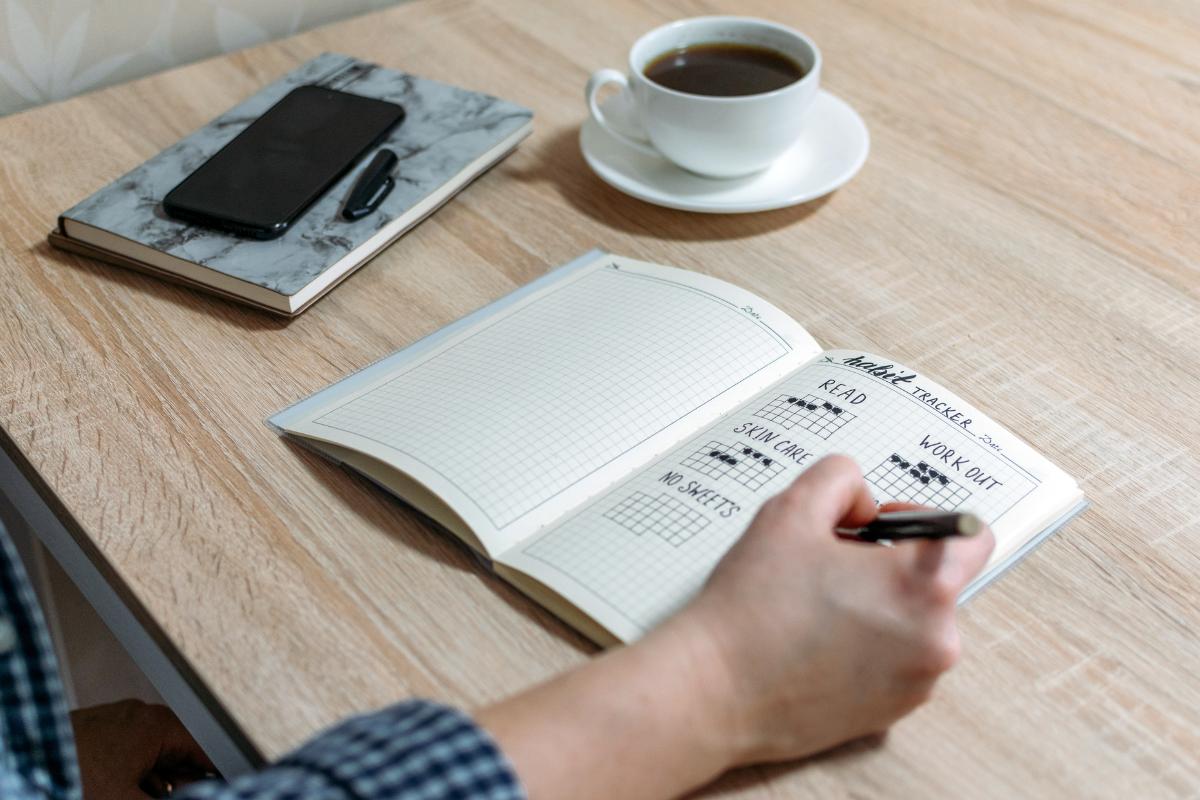
Tracking your habits helps you see the bigger picture and identify patterns you might otherwise miss in your routine. Awareness always comes first before real progress can continue.
Enough with the dilly-dallying. Since what we really want to talk about is 12 powerful daily habits to track that can change your life, without further ado, let’s begin.
Drink Enough Water to Support Your Energy and Focus

Water is essential for every living thing on the planet. The human body is made up of roughly 60% water, so we simply can’t survive without it.
As we all know, drinking water is a simple yet necessary habit in daily life. Despite that, we often overlook it without even realizing it.
We don’t drink water only to quench thirst. It also supports both our physical and mental health.
That basically means the following:
- Water helps us stay active and hydrated throughout the day, especially when the weather is hot.
- It moisturizes every part of our body so it can function properly.
- Our brain needs water to stay alert so we can think clearly.
As a general guide, aim for at least 8 glasses, or around 2 liters, of water daily. Actually, reaching this amount isn’t rocket science.
It’s not about forcing yourself to finish one or two big bottles at once. That’s not healthy. It just makes you feel bloated, as if you’re going to explode.
Consistency beats intensity. Don’t rush. Just take a few sips regularly throughout the day. Sounds easy, right?
This may sound like extra effort at first, but setting an alarm can help remind you. That’s what I’ve been doing for years, and it works like a charm.
Water is the root that supports your overall health. It’s difficult to keep up with other habits if this one is missing. Take care of yourself first, so you have the energy to focus on everything else in life.
Move Your Body to Maintain Physical and Mental Momentum

Are you someone who sits in front of your computer the moment you arrive at the office, and then stays there for hours without moving, except to visit the restroom?
For many people working a 9-to-5 job, sitting all day has become normal office culture.
It may feel comfortable at first, but sitting for long hours without movement is actually harmful to your health.
I don’t mean to scare you, but this can slowly lead to chronic issues like back pain that build up day by day without you noticing.
Still, daily movement can help you overcome that. It’s a simple habit that benefits both your body and mind.
Let me share a small yet powerful tip that helps me stay active and structured. It’s one of my all-time favorites, the Pomodoro technique.
Whether I’m working in the office or at home, I make sure to stand up and move for 3 to 5 minutes after every 25 minutes of focused work.
It may feel a little unusual at first, like being the only person standing up while everyone else stays seated. But honestly, what others think doesn’t matter. Your health comes first.
Regular movement improves blood circulation throughout your body. When that happens, your mood and energy naturally improve, helping you stay positive.
Here’s something I often do: I walk away from my desk and look at something far away for about 60 seconds after long periods of screen time. It helps reduce eye strain.
More importantly, this habit shows discipline, something not everyone around you practices. It becomes part of your identity. A quiet badge of self-respect that can mean a lot to you.
Be proud of yourself for choosing that path.
Sleep Consistently to Strengthen Recovery and Clarity

Good sleep is essential for everyone. Whether you’re a celebrity or a billionaire, no one can escape this basic need. That’s why it’s one of the most important habits to track.
Here’s something we all already know: getting 7 to 8 hours of sleep matters.
Good sleep helps you
- Sharpen your ability to focus deeply.
- Improve your mood so you feel less cranky.
- Recover from injuries by repairing tissues, growing muscles, and strengthening your immune system.
A smartphone needs a full battery to function properly. We’re no different. Sufficient sleep recharges both your mental and physical energy so you can stay consistent with your routines.
In other words, your brain finds it much harder to keep up with new habits when you don’t get enough sleep. Eventually, it slips back into old patterns.
Try not to stay up too late. Aim to sleep between 10 and 11 p.m. regularly if possible.
Trust me. You may be surprised how refreshed life feels when you wake up earlier in the morning.
Read Something That Expands Your Thinking

Many of us were told by our parents and teachers to read more books when we were younger. But back then, we often thought, “Nah, that’s boring. I don’t want to do it.”
The truth is, reading only is the boring-to-death stuff when the topic doesn’t interest you.
Once you pick something you genuinely enjoy, be it self-help, fiction, or non-fiction. It becomes completely different.
Reading strengthens both your mindset and knowledge over time. It’s not about memorizing every sentence to prove how good your memory is.
Instead, it’s about discovering inspiration, lessons, and wisdom that support your growth in different areas of life.
One of the fastest ways to improve is to learn from other people’s mistakes so you don’t have to walk the same crooked paths yourself.
Of course, telling yourself to read 100 to 200 pages in a few days can feel overwhelming unless reading is already your habit.
So don’t push yourself too hard. That won’t help.
Start small. Try 2 to 3 pages a day, or 10 to 15 minutes. There’s no fixed rule. What matters most is steady progress.
Ask yourself, “Did I learn even one useful idea from what I read today?”
If the answer is yes, that already counts.
It may seem small at first, but the impact becomes powerful when those moments add up over time.
Personally, whenever I come across meaningful or motivating sentences, I like writing them down.
They become reminders that help me stay on track whenever I feel discouraged or when the thought of giving up suddenly appears.
Practice Daily Reflection or Journaling for Self-Awareness

When was the last time you reflected on something?
We tend to underestimate the power of self-reflection.
In actuality, it’s a process that helps us monitor our own feelings, thoughts, and behavior.
You can have intimate, thought-provoking conversations with your inner side.
Knowing yourself well through self-talk always leads to well-informed decisions that benefit you.
Spend around 10 minutes writing every thought that comes to you on a piece of paper or a diary.
- What did you do that made you feel happy?
- How did the day go?
- How do you feel right now?
- What’s the most important lesson you learned?
This gives you clarity by listening to your inner voice so it’s heard. What do you really want to achieve in life? What action do you want to take to make this world a better place?
It truly matters because this encourages you to take the next step.
Eat at Least One Intentionally Healthy Meal

We are what we eat each day. The food we consume regularly contains the nutrients that help us feel stronger and more resilient.
Having at least one healthy meal every day is a realistic way to build awareness of taking good care of yourself.
Believe it or not, it’s often child’s play to track just one intentional meal, because the progress won’t feel overwhelming. You won’t get distracted by too many goals at once.
Rather than trying to complete everything on the list, focus on doing one thing at a time. One small win is already enough. Small wins compound.
It can be:
- Replacing chips with apples
- Eating vegetables for your lunch and dinner
- Eating bananas and oats instead of sausages and bacon for breakfast
They may not sound easy at first, but it’s only a matter of time before you get used to them.
The choices you make about food have a strong impact on your energy and mood. So choose them wisely.
Reduce Unnecessary Screen Time That Drains Attention

In the modern era, people around the world keep their smartphones with them all day long, almost like close companions.
We’re no exception. But most of the time, we spend too long scrolling.
We always tell ourselves, “Just 5 minutes, then I’ll put the phone down.” But deep down, we know that’s rarely true. One hour passes before we even realize it.
Screen time is something we often underestimate. In reality, it’s a heavy rock that quietly holds us back.
It affects us in many ways:
- Distracts us from important tasks and work, causing us to lose concentration
- Wastes time on entertainment, social media, and mobile games
- Takes away mental space and peace through comparison
- Eats up precious moments with family and friends
The time you spend on a smartphone could have been utilized for more meaningful things that put you at an advantage.
You don’t have to force yourself to change overnight. Reduce screen time little by little. One hour to forty-five minutes. Forty-five to thirty. Step by step.
Rather than dwelling on shame or guilt about wasted time, remind yourself that awareness is already a good start.
Focus on the present. Step away from the technological world filled with surface-level illusions and protect your precious attention.
Track Your Spending to Build Financial Awareness
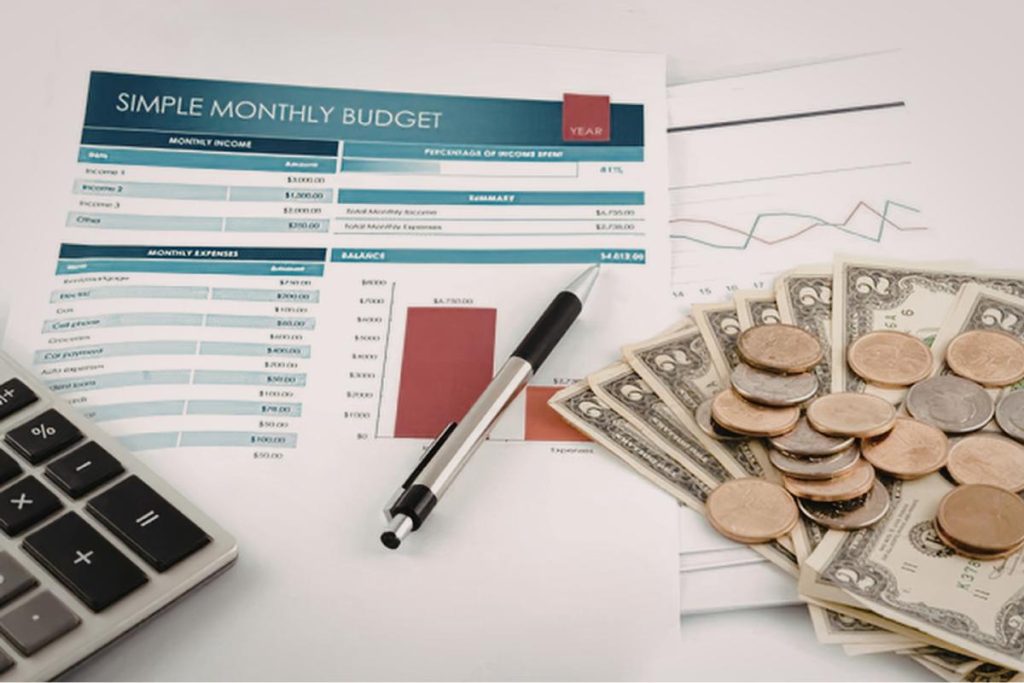
To be honest, most people spend the money they earn without monitoring where it goes.
This is a mistake I made in the past. Then I realized I hadn’t saved even a single penny.
I also acted on impulse. Whenever something caught my eye, I gave myself excuses like, “This is cheap. Just get one. I promise I won’t buy again after this.”
Later, I saw my money gradually disappearing from my bank account. No joke, it really made me feel guilty.
This is a mistake we should avoid at all costs.
Being aware of your spending is also a daily habit worth tracking. You may think saving one dollar a day seems trivial, but the amount quietly adds up. Eventually, the total could even buy you a trip to another country, like Japan or Spain.
Set a daily spending threshold for yourself and try your best not to exceed it.
Building awareness is challenging, let alone controlling desire. It’s hard to stop ourselves when something attractive appears right in front of us.
Think long-term:
Is this really helpful for you?
Will you use it for a long time?
Or will you get bored and throw it away?
Does it really matter right now?
Is it something you truly need, or just something fun?
If the answer is no, keep your money in your pocket.
That’s how you make better decisions.
Practice Gratitude to Improve Emotional Stability

Have you ever been told by your parents or people around you to appreciate what you already have in life, friends, food, a good partner, a stable job, and more?
That’s gratitude. It may feel small, but the emotional impact is powerful.
Showing appreciation in everyday life helps you shift your attention and see things from a more positive perspective.
- Do you think your life is difficult? Others see your life as a dream they wish they had.
- Your job feels tedious? Some people are jobless. At least you have something meaningful to do and a reliable source of income.
- Someone you like turns you down? Maybe life is protecting you from the wrong timing or the wrong situation.
- Do your colleagues talk behind your back? Sometimes that says more about them than about you.
Treat obstacles in your life as opportunities to learn and grow stronger. This is how you train your mindset to stay steady in any situation.
The more resilient your mind becomes, the stronger you feel. And when that happens, other people’s opinions won’t shake you easily.
Take negative comments lightly. You can’t control what others say, but you can always choose how you respond.
Complete One Important Task Before Distractions Begin

This may sound challenging, but one of the best ways to feel relaxed, like a weight lifted off your chest, is to do hard and important things first.
It helps you build momentum. After that, other tasks begin to feel easier. Many successful people have talked about how effective this method is.
I prefer doing the hardest and most critical tasks early in the morning, because that’s when I feel most focused and motivated. It naturally encourages me to keep going.
It’s truly magical because ideas start flowing more smoothly. Everything feels easier to handle and just goes smoothly at that time.
Whether it’s:
- Learning a foreign language
- Writing an article that needs clear thinking
- Replying to those emails that are marked ‘priority’ at work
Here’s a helpful tip:
List the first two or three things that truly matter.
Then complete them one by one.
Prioritize meaningful work when your energy is highest. It doesn’t matter how long you spend; five to ten minutes is already good enough.
As long as something gets done, even a little, that’s already mission accomplished.
This is also one of the best ways to avoid procrastination before distractions begin to take over your mind. Believe it or not, your stress will naturally fade afterward.
Connect Meaningfully With Someone Each Day

This is one of the daily habits people often overlook. But it matters more than we think.
It’s easier than it sounds, even if you’re an introvert. You don’t need to share everything about yourself unless it’s with someone close, like your parents or best friends.
When something bad happens, and you feel down, talk to someone you trust instead of keeping everything bottled up. Otherwise, those emotions quietly become a mental burden that drains your energy.
Sharing is caring. And it supports your emotional well-being.
My mum is the person I always go to whenever I have good or bad news. In many ways, she’s my “BFF.”
If it’s good news, we celebrate together.
If it’s bad news, I share what happened, like arguments with colleagues, getting scolded by my boss, feeling lost, or anything else.
But one thing to remember: it’s fine to vent sometimes, just not too often. You don’t want to spread negativity to the people around you.
Once a week is usually enough.
Most importantly, make it a habit to talk with your loved ones every day. Stay consistent. It’s one of the simplest ways to build relationships that last.
It’s also a meaningful way to spend quality time with the people you care about.
Review Your Day Before Sleeping to Reinforce Progress

Here’s a simple note: reflecting on your day before sleeping helps you become more aware of what happened. There are always things you can learn.
For example:
- Who did you meet today?
- How did your conversations go?
- What did you do today?
- What lessons did you learn?
- Did you do something kind that made you feel good?
And it’s not limited to these. It can include almost anything.
The reflection doesn’t need to take long. Ten minutes is a good starting point.
In fact, this process sharpens your mind. When you review your day, you begin to notice patterns and progress more clearly.
It helps you fill in the gaps, almost like doing a SWOT analysis in marketing. You see what you did well and where you can improve.
As a result, you gain useful feedback for your next steps. That’s how improvement happens.
Mistakes shouldn’t be avoided. They are small building blocks that lead to success. Learn from them instead of running away from them. Live your life with courage.
Reviewing your day may feel quiet and simple, but it has a powerful impact over time.
Why Tracking Daily Habits Quietly Changes Your Life Over Time
Tracking your habits may sound like extra work, but it helps you understand your routine more clearly and stay consistent.
It’s not just about recording actions in an app or notebook. What you really gain is awareness of your everyday behavior. That awareness keeps you moving in the right direction.
Tracking is especially helpful when making decisions. It quietly trains your mind to think more clearly and make better choices each day.
When you stay aware of your progress, you become more mindful of how things are unfolding.
Never underestimate the power of small actions. The results you want appear slowly, step by step, as they accumulate over time.
Sometimes you may doubt yourself when progress feels invisible at the beginning. That’s completely normal. Success takes time, and no rush at all.
Habit tracking helps you recognize which stage you’re in so you can adjust your direction wisely.
Over time, you build long-term self-discipline. And slowly, you grow into the person you’ve always wanted to become.
Day by day, the identity you’re working toward begins to take shape, and it naturally leads you toward the lifestyle you’ve always imagined.
Eventually, freedom, success, and emotional comfort arrive quietly, without forcing them.
Small Daily Habits Become Big Life Changes When You Track Them Consistently
Taking action alone isn’t enough. Tracking and reflecting must go together.
Small repeated actions may seem ordinary, but they are the stepping stones that shape meaningful change over time.
Daily habits work quietly in the background. People often don’t notice their impact at first. The change doesn’t happen dramatically, but it happens steadily.
There’s no need to pressure yourself. Choose a few habits that truly matter and begin today. You don’t need to be perfect along the way.
What matters most is progress. When you repeat small actions consistently, they become natural parts of your life.
Stay aware of the process. Ask yourself: Am I doing well? Where can I improve?
Don’t wait for tomorrow. Tomorrow rarely comes when procrastination stays in the way.
Start today. Look at the bigger picture. Move forward step by step.
Habit tracking has always been the starting point that leads you closer to the person you’ve always wanted to become.
Now you’ve picked a few good habits and are all set to track, right? Let’s dive into how to build good habits that last. No pressure, but step by step.
[…] 12 powerful habits that you can do and track that change your […]