
Why Your Good Habits Don’t Last Longer Than a Few Days
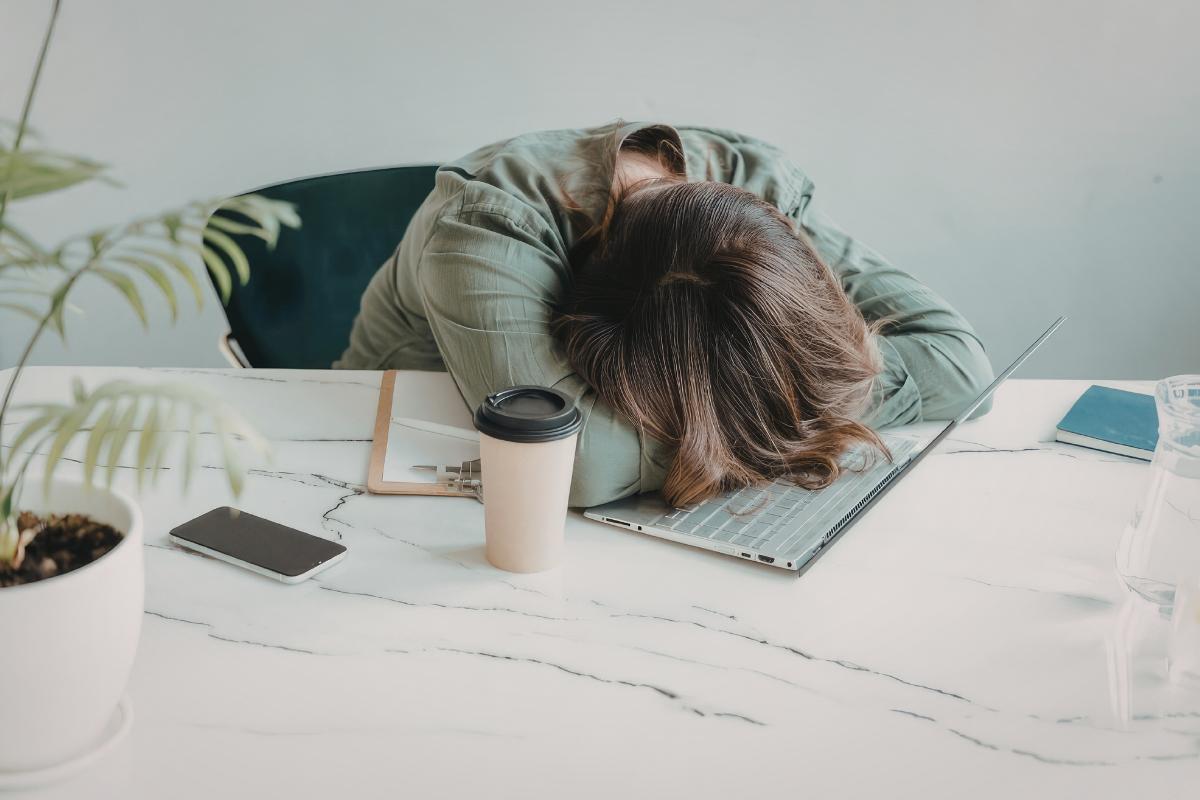
Have you ever felt motivated and excited about starting good habits, only for them to last only a few days?
Felt frustrated and disheartened after a repeated process of failing?
Wondering what the real reason is behind the failure?
If your answer is a big yes, then you’ve come to the right place.
Here’s the thing: you may assume that your specific habit can’t last long because of a lack of discipline or that you were born lazy.
Hold that thought, and it has nothing to do with your identity at all; yes, you’re not making it up.
The good news is that there are hidden psychological triggers that cause your habits to fade away like a flash.
In this article, we’ll walk you through why people can only keep going with a good habit for the first few days, why motivation disappears faster, the invisible friction that destroys your streak, and the solutions to stay longer.
First, we’ll talk about why it’s hard to stick to good habits. Let’s get started!
Table of Content
Why Good Habits Feel Easy on Day One but Hard by Day Three

You feel super excited at first to do something you’ve always wanted, thinking you can stick with it for many years.
Here’s a bummer. It doesn’t go as you’ve expected. You immediately give up as soon as you lose interest and hit the wall.
The chances are, it happens to almost every human in the world. You must have a million ‘whys’ in your head. Let’s reveal the fact.
You feel highly energetic to continue a habit for the first few days. The reason is that it feels like child’s play, filled with excitement. That’s the first stage, where your willingness to act is entirely driven by unstable emotion.
As soon as it reaches the ultimate point, where the task becomes challenging and overwhelming, the thought of not pulling the plug pops up.
As a result, you can’t hold on till the end, and the story doesn’t go further. It’s truly a shame, right?
So, the truth is that wanting to change and being willing to be consistent in taking actions are two different things.
When you take the first step and do it, it doesn’t mean you can keep building reliable progress throughout your life. Indeed, there’s a long, tiring bridge you must cross to become consistent.
Let’s talk about why it feels harder to stick with good habits.
On the other hand, check out another post if you are curious about how to overcome bad habits and discover effective strategies. Hope this helps!
The Hidden Reason Most Good Habits Don’t Stick (It’s Not Laziness)
We must have heard people close to us say things like, ‘You’re so lazy, and you always are,’ when you didn’t do your chores, jobs, or assignments.
Remember this: don’t let their words get to you. You not feeling like doing a task doesn’t mean that it’s your actual character that stays with you forever.
You can’t control what others say, so let them. But you can figure out the why and tackle it.
You don’t have to feel bad for people saying that you have a lackadaisical attitude. Instead, focus and spend time building your personal systems and structures.
The reason people’s habits don’t last longer is that they rely only on their intentions. They do the task when they’re in the mood. That’s the real problem.
Thus, you should start establishing support that acts as a strong pillar to foster your habits.
That said, things like staying in distraction-free environments with cues and setting small, separated goals are key to success.
Generally, the failure occurs when you have unrealistic, vague goals that you hope to achieve in the blink of an eye.
So, break your main goal into chunks and complete them one by one to avoid feeling overwhelmed.
Once again, keep in mind it’s not your fault to feel unmotivated when doing a task. It’s the systems you should refine to make sticking to habits easier.
Why Motivation Disappears Faster Than You Expect
Remember the times you were fired for doing actions at first, such as reading a book or jogging in the morning?
After 2 to 3 days, you stopped and went back to activities for instant pleasure.
Yes, that’s what motivation does at the beginning. Meanwhile, it fades away out of the blue, without an alert.
This indicates that emotions and motivations are in sync, going at the same level.
Motivation increases when you feel happy, inspired, and spirited. In contrast, it decreases when you are sad, bored, and stressed.
Hence, every single experience in life can directly affect the emotional momentum, leading to massive fluctuation.
The significant message we’re getting here is that relying on motivation alone won’t help with getting on longer continuous streaks. Instead, they break instantly when motivation is gone.
Thus, you need consistency over temporary feelings built on a structural system (what we mentioned above). By doing so, you show up anyway, even if you feel bored. That’s how the system supports it.
For instance, having a to-do list on your phone is a good way to keep you rolling. It reminds you to execute the tasks. And remember to reward yourself after completing it to stay motivated.
Next, we’ll look into the little friction that always gets in the way.
The Small Friction That Quietly Breaks Your Habit Streak
Most of the time, individuals fail to stick to their habits not because of a big failure. On the contrary, it’s the small resistance that comes before and destroys your effort while laughing like an evil person.
You must be wondering, what is the friction we mean here? Why does it significantly impact us?
The friction here consists of various drives. It doesn’t matter if it’s extra effort, inconvenience, longer time, stress, or self-doubt. They all count.
Indeed, those frictions seem trivial and insignificant. But the actual thing is, they compound and strike us when they hit the breakpoint.
Be cautious. Don’t ever underestimate them. Your habits are against the triggers, like mental resistance. They can cause your habits to go nowhere.
Ever felt like something inside you holds you back? As if your inner voice were saying, “Just give up, and go watch TV or play games! You deserve activities that make your life fun.”
Yes, that’s what we call friction. It eventually leads to inconsistent habits. You could have spent your time becoming a better version of yourself. But it prevents you from getting involved in hard things.
So, the important thing is to be aware of the frictions that get in the way. Then, make your way to solve them.
Remember this: if your good habits don’t last, reducing them can help them last.
We’ll talk about how to really sustain your good habits in the next section.
How to Make Good Habits Last Longer Than a Few Days
We’ve discussed enough about problems. Let’s shift our focus to effective solutions.
As James Clear mentioned in ‘Atomic Habits,’ consistency is always better than intensity.
That’s the secret sauce that always works like magic. In fact, this quote has been with me for many years. It never let me down.
Here’s the tip: start a little task from the main goal to avoid getting overwhelmed and exhausted. It sounds easy, right?
As a result, those small actions add up and turn into your desired outcome. Imagine collecting multiple bricks and putting them together to build your homesweet home. Yes, that’s how we describe consistency.
By doing so, it requires a systematic routine rather than a heat-of-the-moment intention. Do it anyway, no matter how little. Creating progress is what matters.
To support consistent habits, design a system that lets you begin with a habit without effort. After, repeat it to gain momentum.
Avoid trying to be a perfectionist in the process, because that kills your routine. You may throw in the towel when something doesn’t go your way.
Instead, repeat the habit every day, even if there’s a flaw. Keep moving forward without looking back. You’ll be amazed by how far you’ve gone.
For instance, you want to master English, and it feels like a mission impossible? Don’t think of what results you’ll get. Start small first. It can be shadowing for 5 minutes or learning 2 to 3 conversational phrases a day.
Ultimately, patience is a must for building steady progress. Don’t rush, take your time, and enjoy the process!
Conclusion
Conclusively, the fact that you can’t sustain a habit doesn’t mean you’re sluggish. It’s the other way around.
In turn, habits don’t last more than two to three days because of fading motivation, hidden friction, and unrealistic expectations.
Hence, consistency comes into place when your habits are small and easier to execute and repeat.
The process of building habits is a marathon, which requires patience and determination. It’s not a ponderous test, so take it easy. It’s just a matter of time before achieving real success.
Not tomorrow. Not next week. Start making small changes today to see your good habits last, like the journey of the Great Wall of China.
In the meantime, here’s another related post you may be interested in: How to build good habits with a step-by-step guide.

[…] reality, the problem isn’t you if your good habits don’t last; it’s the system you create and […]
[…] See this article to discover why your good habits don’t last more than a few days. […]
[…] If you’re wondering why you can’t keep up with progress and often give up easily, check out why your good habit doesn’t last. […]
[…] In addition, you can learn why your good habits don’t last more than a few days. […]